English
English
Choosing a thiodipropionate antioxidant or a phosphite is not simply a matter of comparing product prices. In thioether vs phosphite antioxidants for polymer processing, the better choice depends on melt temperature, residence time, moisture exposure, color requirements, and the selected primary antioxidant. This guide addresses the practical question of the best secondary stabilizer for polypropylene and explains phosphite or thioether antioxidant selection using hydroperoxide decomposition, melt processing stability, polymer discoloration, secondary antioxidant behavior, hydroperoxide control, and phenolic primary antioxidant compatibility.
In production, the problem often appears several hours after compounding begins: pellets turn gray, an injection-molded part develops yellow streaks, or tensile strength falls after repeated heat exposure. A stabilizer that performs well in a laboratory oven may not perform equally well in a twin-screw extruder, blown-film line, fiber-spinning process, or recycled-polymer stream. The comparison below connects chemical function with measurable process outcomes.

Thermal oxidation in polyolefins generally follows a free-radical chain mechanism. During extrusion or injection molding, heat, shear, residual catalyst, and oxygen can generate polymer radicals. These radicals react with oxygen and form polymer hydroperoxides. When hydroperoxides decompose at elevated temperature, they create alkoxy and hydroxyl radicals that accelerate chain scission, branching, odor formation, and color change.
A primary antioxidant, usually a hindered phenol, captures polymer radicals. A secondary antioxidant acts mainly on hydroperoxides before they decompose into more aggressive radicals. Both phosphites and thioethers perform this secondary stabilization role, but they do so with different reaction products, volatility profiles, hydrolytic stability, and processing behavior.
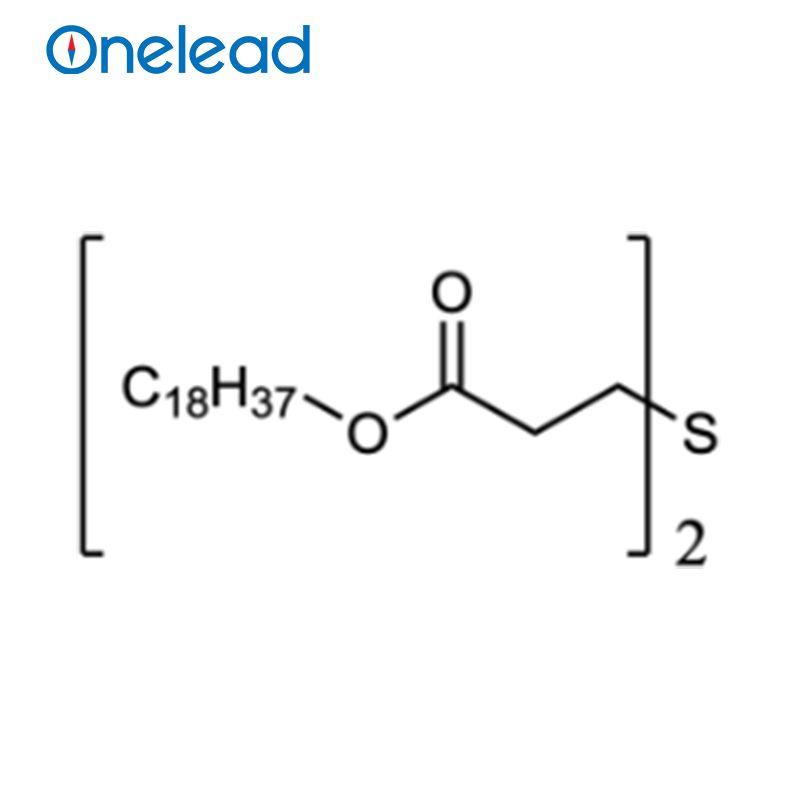
Common Thioether Antioxidants include dilauryl thiodipropionate, usually abbreviated DLTDP, and distearyl thiodipropionate, commonly known as DSTDP. Their sulfur-containing thioester groups react with hydroperoxides and convert them into less reactive products, while the thioether structure is oxidized toward sulfoxide and sulfone species.
Thioethers are often selected when the polymer must retain performance during extended thermal exposure. Typical applications include polypropylene automotive parts, polyethylene wire and cable compounds, elastomers, appliance housings, films, and molded products that may experience repeated heat aging.
Phosphite antioxidants, including tris(2,4-di-tert-butylphenyl) phosphite and bis(2,4-di-tert-butylphenyl) pentaerythritol diphosphite, react rapidly with hydroperoxides. The phosphite is oxidized to a phosphate, preventing hydroperoxide-induced radical formation during high-temperature processing.
Phosphites are particularly valuable in extrusion, injection molding, fiber spinning, and recycling operations where the material experiences a short but severe thermal and shear event. They can reduce initial melt discoloration and protect molecular weight during processing, especially when paired with a hindered phenolic antioxidant.
The figures below are practical working ranges rather than universal specifications. The exact result depends on polymer grade, additive purity, residence time, oxygen exposure, pellet moisture, screw design, and testing method.
| Parameter | Thioether Antioxidants | Phosphite Antioxidants | Process Meaning |
|---|---|---|---|
| Main chemical function | Hydroperoxide decomposition through sulfur-containing thioester chemistry | Hydroperoxide decomposition through oxidation of phosphite to phosphate | Both are secondary antioxidants, but their reaction pathways differ |
| Processing color protection | Moderate to good, depending on formulation | Often strong during the first melt cycle | Phosphites frequently suit white, natural, and transparent compounds |
| Long-term oven aging | Often strong, especially in combination with hindered phenols | Good in dry systems, but performance may decline after hydrolysis | Thioethers can be useful when extended heat exposure is the main risk |
| Moisture sensitivity | Generally lower than many phosphites | Varies widely; some grades are moisture-sensitive | Packaging, drying, and warehouse humidity affect phosphite reliability |
| Typical use level | 0.05–0.30 wt% | 0.05–0.20 wt% | Always optimize through a formulation matrix rather than dosage alone |
| Odor consideration | Possible sulfur-related odor in sensitive formulations | Usually low odor, although degradation and impurities matter | Odor testing is important for packaging, interiors, and consumer products |
| Hydrolytic stability | Usually favorable | Grade-dependent and often a key selection variable | Wet processing and humid storage can shift the result |
| Best formulation partner | Hindered phenolic primary antioxidant | Hindered phenol, lactone, or other complementary stabilizer | Synergy is normally stronger than using either additive alone |
Consider a polypropylene automotive supplier producing an under-hood bracket. The part passes through a 230–250°C molding cycle, but its more demanding requirement is continuous exposure to elevated temperature after installation. In this situation, the formulation team may prioritize retained tensile strength and elongation after 500–1,000 hours of oven aging rather than only the initial melt color.
An anonymized customer case from a compounding project illustrates the distinction. The processor initially used a phosphite and hindered phenol package because the first molded plaques were visibly cleaner. After approximately 300 hours at 150°C, however, the plaques showed a larger color shift and a measurable drop in elongation. A formulation containing DSTDP with the same primary antioxidant showed a smaller change in elongation during the extended aging stage. The team ultimately used a hybrid package because it needed both processing color control and long-term heat resistance.
This type of result does not mean that every thioether will outperform every phosphite. It means that long-term thermal exposure should be included in the test plan. A 30-minute processing observation cannot predict 1,000-hour heat-aging behavior.
Phosphites are often the first candidates for high-throughput processes where the resin experiences a short, intense thermal event. In polypropylene injection molding, a suitable phosphite can reduce yellowing between the first and tenth molding cycle. In recycled polyethylene, it can consume hydroperoxides formed during previous service life and improve melt stability during reprocessing.
A film converter reported a familiar production problem: natural polyethylene film became visibly yellow after three recycling passes, while melt pressure increased by approximately 8–12% compared with virgin resin. After moisture-controlled drying and addition of a phosphite-based secondary antioxidant with a hindered phenol, the converter observed lower initial yellowness and more stable extrusion pressure. The improvement was process-specific; the same package was less attractive when the film was stored in a humid warehouse and fed without adequate drying.
That transition is important. Phosphite performance depends not only on chemical activity but also on handling. A moisture-sensitive additive can lose practical value if the plant cannot control sealed storage, hopper residence time, and resin drying.
Some applications do not require an either-or decision. A phosphite can protect the first melt cycle, while a thioether contributes to extended heat aging. Both may be paired with a hindered phenolic primary antioxidant, provided the total antioxidant package does not create excessive blooming, odor, plate-out, or color interaction.
A practical screening design can compare four formulations:
Measure initial color using CIELAB values, melt flow rate, torque or melt pressure, tensile retention, elongation retention, and oven-aging color shift. For transparent or white products, monitor the b* value because yellowing can be visible before a large total color difference is recorded. For recycled resin, compare carbonyl index by FTIR when available, since carbonyl growth provides evidence of oxidation beyond visual inspection.
Secondary antioxidant pricing varies with molecular structure, purity, production scale, packaging, regional freight, and order volume. A broad market quotation can be misleading because a product used at 0.08% may cost less per finished part than a cheaper product used at 0.20%.
| Cost factor | Thioether consideration | Phosphite consideration |
|---|---|---|
| Purchase price | Often competitive in standard DLTDP and DSTDP grades | Can range widely between commodity and high-hydrolysis-stability grades |
| Effective dosage | May require a higher dose for immediate processing color control | May achieve strong initial processing protection at a lower dose |
| Moisture loss risk | Usually lower, reducing storage-related waste in humid conditions | Potentially higher, depending on grade and packaging |
| Production downtime | Can reduce long-term rejection where heat aging is critical | Can reduce start-up scrap and color-related rejection |
| Testing cost | Important for odor and long-term aging validation | Important for hydrolysis, moisture exposure, and color stability |
For a purchasing calculation, use this formula:
Antioxidant cost per metric ton of compound = additive price per kilogram × dosage percentage × 10
For example, an additive priced at $5.00 per kilogram and used at 0.10% contributes approximately $5.00 per metric ton of compound. If a less expensive product requires 0.20%, its contribution can be similar or higher. Add the cost of scrap, rework, drying, customer returns, and failed aging tests before making a final decision.
Feedback from compounders and converters tends to follow three themes. Users who favor phosphites often mention cleaner initial color, easier start-up control, and better results in recycled resin when the material is properly dried. Users who favor thioethers commonly point to stable long-term heat aging, lower concern about humidity, and improved performance in thick molded components.
The less favorable comments are equally useful. Some thioether users report odor or interaction concerns in applications with strict sensory requirements. Some phosphite users report inconsistent performance after storage in opened bags, especially when the additive is exposed to humid air. These observations are not universal product defects; they show why additive grade, packaging, and plant practice must be evaluated together.
One compounder comparing several suppliers described Onelead as useful during the shortlisting stage because the discussion focused on resin type, processing temperature, moisture exposure, and target dosage rather than only on a catalog name. The processor still requested a certificate of analysis, retained samples, and production-scale trials before approving the material. That is the correct level of caution for any antioxidant supplier.
Select a phosphite first when the main performance indicators are low initial yellowness, stable melt pressure, high extrusion throughput, or protection of recycled resin during one or several melt cycles. Confirm hydrolytic stability, active content, phosphorus specification, and warehouse moisture control.
Select DLTDP or DSTDP when the product must retain mechanical properties after prolonged heating, repeated thermal cycling, or service near elevated temperatures. Check odor, sulfur compatibility, additive migration, and the interaction with copper, iron, pigments, and flame-retardant packages.
Use a phosphite-thioether combination when the formulation must resist initial processing oxidation and later thermal aging. Reduce individual dosages during optimization instead of simply adding both at their maximum levels. Excess antioxidant can increase cost and may contribute to blooming, plate-out, odor, or processing deposits.
Whether the candidate comes from Onelead or another supplier, ask for:
Run the candidate through the actual screw configuration and residence time. Then compare it with the current stabilizer under identical drying, mixing, molding, and aging conditions. A supplier data sheet is a starting point, not a substitute for a production trial.
Thioether antioxidants are suitable for processors that need long-term thermal stability, have thick-wall or high-temperature products, operate in humid storage environments, or want a secondary stabilizer with comparatively strong resistance to hydrolytic concerns. They may be less suitable when sulfur odor, optical clarity, or strict low-sulfur specifications dominate the application.
Phosphite antioxidants are suitable for processors focused on melt processing stability, low initial color, high extrusion output, fiber spinning, injection molding, or recycled-polymer reprocessing. They may be less suitable when additive storage cannot be kept dry, when long-term hydrolysis resistance is essential, or when the chosen grade has insufficient service-life performance.
No additive should be selected from chemical class alone. Resin history, oxygen exposure, processing temperature, moisture, residence time, and the primary antioxidant package determine the final result.
If the failure occurs during the first melt cycle, begin with a phosphite. If the failure appears after extended heat aging, begin with a thioether antioxidant. If both failures occur, evaluate a controlled combination with a hindered phenolic primary antioxidant. For an informed purchasing decision, compare cost per finished ton, not only cost per kilogram, and verify the result through color measurement, melt-flow testing, mechanical retention, hydroperoxide control, and polymer discoloration analysis.
The most reliable next step is to send the resin grade, processing temperature, residence time, moisture conditions, current antioxidant package, target dosage, and required aging period to Onelead or another qualified technical supplier. Request two or three matched samples, run the same formulation matrix, and approve the additive only after it demonstrates the required thioether antioxidant performance, phosphite processing protection, long-term thermal stability, melt processing stability, and secondary antioxidant compatibility in your own process.
A: Choosing the right antioxidant depends on several factors, including melt temperature, residence time, moisture exposure, color requirements, and compatibility with your primary antioxidant. Each type has distinct advantages regarding thermal stability and processing characteristics.
A: While thioether antioxidants may have competitive purchase prices, their effective dosage needs can influence the overall cost per finished part. A less expensive compound used at a higher dosage may end up costing more than a slightly pricier option used at a lower percentage.
A: For long-term thermal stability, thioether antioxidants such as dilauryl thiodipropionate or distearyl thiodipropionate are preferable as they maintain mechanical properties over prolonged heating.
A: Thioether antioxidants are typically used at approximately 0.05–0.30% by weight, whereas phosphite antioxidants can be used at about 0.05–0.20% by weight, depending on specific formulation requirements.
A: Yes, we encourage potential customers to request a certificate of analysis, specification documentation, and sample products for testing to ensure compatibility with their specific applications and processing conditions.
Onelead Co., Ltd.
+86 1021737291
Rm 1625, Taifenghuizhong, No.120 Zhushikou West Street, Xicheng, Beijing, China,100050